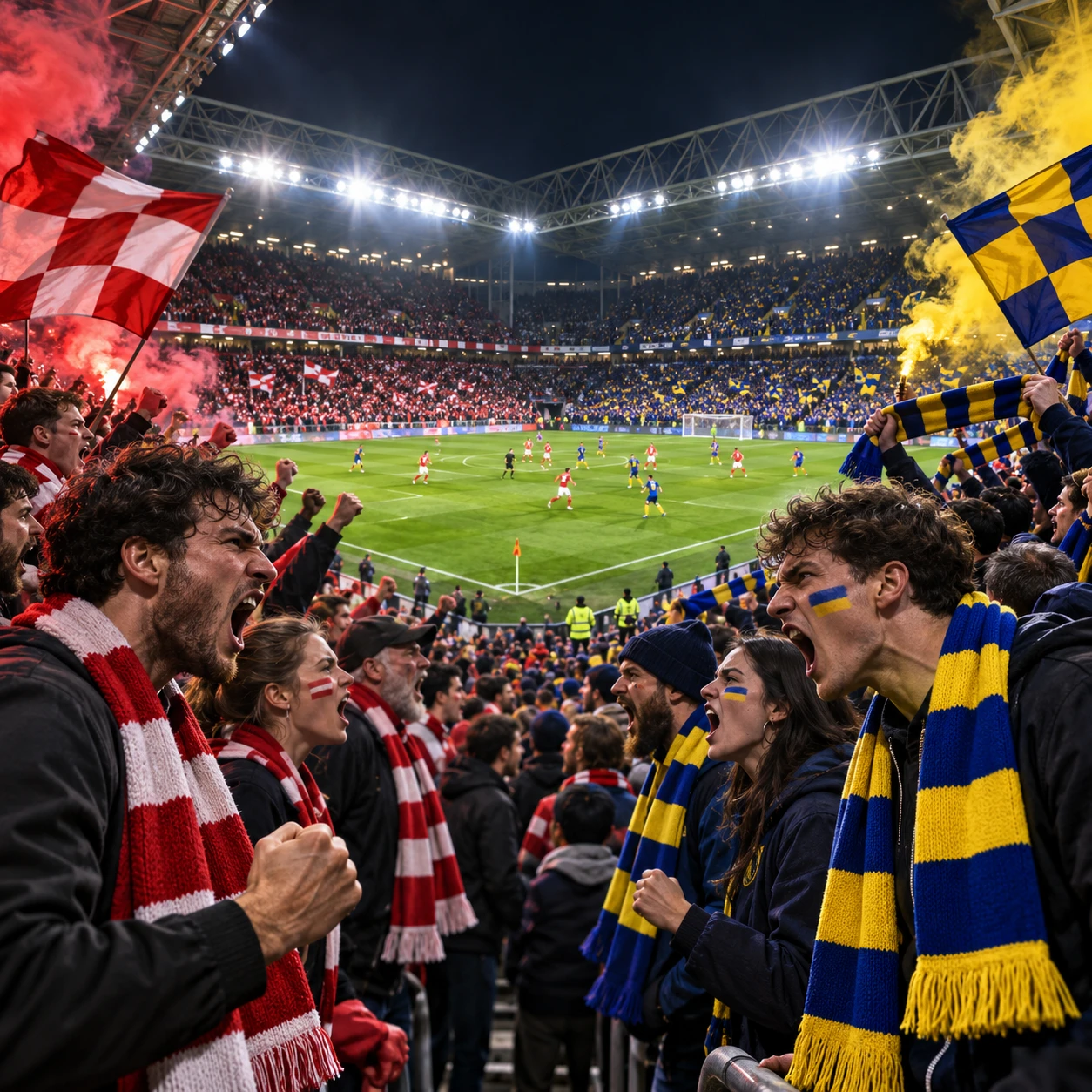

Football Video Games: From FIFA to eSports Tournaments

Football video games have grown from living-room kickabouts into a global form of competition. The FIFA series helped bring football simulation games to generations of fans; today, EA Sports FC, online multiplayer, and organized eSports tournaments connect virtual matches with clubs, players, and real-world football news.
That connection has limits. A digital match can reflect player ratings and team line-ups, but it cannot predict what will happen on a real pitch. For football fans, the games are best understood as another way to follow and engage with the sport.
From FIFA to EA Sports FC
The FIFA series established one of the best-known football simulation franchises, while EA Sports FC continued its game lineage under a new name. The change followed the end of the naming partnership between publisher Electronic Arts and FIFA; it did not mean the gameplay series started over.
EA’s first game under the new brand, EA Sports FC 24, launched in 2023. The familiar mix of licensed clubs and players, football simulation, and modes such as Ultimate Team carried into the new label. Specific league, team, and competition licenses depend on agreements, so they can differ across games and editions.
For players, the shift was mainly one of branding and partnership. For the wider football business, it showed how a game can preserve its identity while changing a prominent name. FIFA, meanwhile, remains the governing body of association football; the name of the organization and the name of EA’s game franchise are no longer linked in the same way.
Useful distinction: FIFA refers to the former EA game branding and to football’s international governing body, depending on context. EA Sports FC is the current name of EA’s football game series.
How Football Games Became More Connected
Online multiplayer made football video games social and global: players could face opponents beyond their household, region, or local gaming group. Live services and updates also helped keep teams, modes, and communities active between annual releases.
Earlier console generations made local matches a familiar fixture at home. As broadband and online platforms became more widespread, players could compete remotely, invite friends, and compare results. Matchmaking systems pair people for games, while seasonal ladders and online events give regular players a reason to return.
Updates can adjust player ratings, squads, kits, and other content, although timing and availability vary. That matters to football fans who follow transfers and form: a real-world move or a strong run of performances may eventually be reflected in a game update, but not necessarily immediately. Licensing and update schedules shape what appears.
Online access changes the scale, not the nature, of football. A quick match with a friend still has the appeal of a casual kickabout; an online community adds rivals, shared tactics, and a steady stream of challenges. The trade-off is that online play depends on a reliable connection and may involve matchmaking, service, or latency issues.
From Casual Matches to Competitive Play
Football gaming becomes competitive when players move from informal matches into ranked modes, qualifiers, and tournaments with clear rules. Ranked play typically pairs opponents by a rating or results, while organized events add schedules, eligibility requirements, and match procedures.
A common path begins with friendly games, then progresses to a game’s competitive online modes. Players learn to manage possession, defend space, and create chances under pressure. In tournaments, those skills meet preparation: competitors may study opponents, practice set pieces, and adapt tactics between matches.
Formats vary by organizer and event. A competition might use a knockout bracket, where one loss eliminates a player, or a group stage followed by knockouts. Matches can be single games or multi-game ties. Rules specify details such as the game version, permitted settings, connection standards, and what happens if a match is interrupted.
- Ranked modes: Regular online matches that track progress or rating.
- Qualifiers: Preliminary competitions used to select entrants for a larger event.
- Knockout brackets: A direct elimination structure in which winners advance.
- Group stages: Pools of competitors play multiple matches before a later round.
Rank does not automatically translate to tournament success. A strong ladder player still has to handle a different opponent, event rules, and the pressure of a scheduled match. That distinction helps explain why competitive players practice both their in-game decisions and their ability to perform consistently.
What Happens in a Football eSports Tournament?
A football eSports tournament brings competitive players together to play virtual matches under a published format and rule set. Depending on the event, entrants may represent themselves, an eSports organization, a football club, or a national team setup.
Organizers first define who can enter and how competitors qualify. Players may advance through online qualifiers, invitations, or a league structure. The event then sets fixtures and match rules, and results determine who progresses. Some competitions are played online; others use a live venue, or combine online qualification with an in-person final.
Digital match statistics can help explain what happened in a game. Score, possession, shots, and other available figures provide context, but they are not a complete measure of performance. A player might create several promising chances without scoring, or defend effectively while having less possession. As with real football, statistics need to be read alongside the match itself.
Clubs and national teams may have dedicated eSports programs or players who compete in football games, though participation and structures differ by organization. The virtual team a competitor uses can also differ from the badge or organization they represent. Representation is an event-specific detail, so check the tournament format rather than assuming every competitor plays for a real-world club squad.
The Link Between Real Football and Gaming
Real football shapes football games through licensed clubs, player likenesses, team ratings, and the news that fans follow throughout a season. In turn, the games give supporters an interactive way to engage with familiar teams and players, but virtual results do not forecast real match outcomes.
Squad changes and player form are part of the appeal of modes such as Ultimate Team, where users build a team from available player items. The mode brings tactical choices and collection mechanics together, but its systems differ from selecting a real club’s weekly line-up. Availability, ratings, and content can also vary by edition and update.
For a football stats and news audience, the useful overlap is in comparison, not prediction. Fans can discuss why a game rates a player highly, how a formation behaves in a simulation, or whether a squad update reflects recent events. Those conversations offer a fresh lens on football knowledge while keeping the distinction clear: a match engine uses its own rules and ratings, not the full uncertainty of real competition.
Think of the link as a two-way conversation: football news gives games context, while games give fans new ways to talk about tactics, players, and teams. Neither replaces watching matches or checking reliable real-world statistics.
Why Football Gaming Still Matters to Fans
Football gaming matters because it lets fans participate in the sport’s culture between matches, whether they play casually, compete online, or follow eSports tournaments. It sits alongside watching football, reading news, and comparing match statistics rather than replacing them.
For some, the draw is a local match with friends. Others enjoy building an Ultimate Team, testing formations, or following competitive players who make precise decisions under pressure. Organized eSports adds another layer: fixtures, rivalries, and results that football fans can follow much like other competitions, while remembering that the action takes place in a game.
The most useful perspective is to keep both sides in view. Football simulation games can make the sport more interactive and bring communities together; they also depend on licensing, online services, game updates, and the rules of each competition. Knowing those limits makes it easier to enjoy the virtual contest without confusing it with the real one.
Frequently Asked Questions
What is the difference between FIFA and EA Sports FC? FIFA was the name used for EA’s football game series until the partnership ended. EA Sports FC is the successor brand for that series, while FIFA remains the name of football’s governing body.
How do football video game tournaments work? Players enter through a qualifying route or invitation and compete under event rules. Formats can include groups, knockout brackets, or a combination, with match results deciding who advances.
Can professional football clubs have eSports teams? Yes. Some clubs operate or support eSports teams and competitors, but participation varies. A club’s involvement does not mean every tournament entrant represents a professional football club.
How do real-world football updates affect the games? Game updates may change squads, player ratings, kits, or other content to reflect football developments. Timing and coverage depend on the game’s update schedule and licensing agreements.