

Football and Pop Culture: How the Sport Influences Music and Movies
The Cultural Power of Football Beyond the Pitch
Football is the world's most watched sport, but its influence stretches far beyond ninety minutes of play. It functions as a cultural operating system — shaping how communities express identity, how artists find inspiration, and how storytellers frame the human condition.
No other sport generates the same emotional density. Relegation battles, title races, last-minute winners — these moments carry the dramatic weight of great literature. That's not an accident. Football is built on tension, belonging, and consequence. The same ingredients that make a compelling novel make a compelling match.
This is why the relationship between football culture and the entertainment industry runs so deep. Musicians reference it, directors adapt it, and brands chase it. Understanding that relationship tells you something important about what football actually is: not just a sport, but a shared emotional language spoken by billions.
Stadium Anthems and the Sound of the Beautiful Game
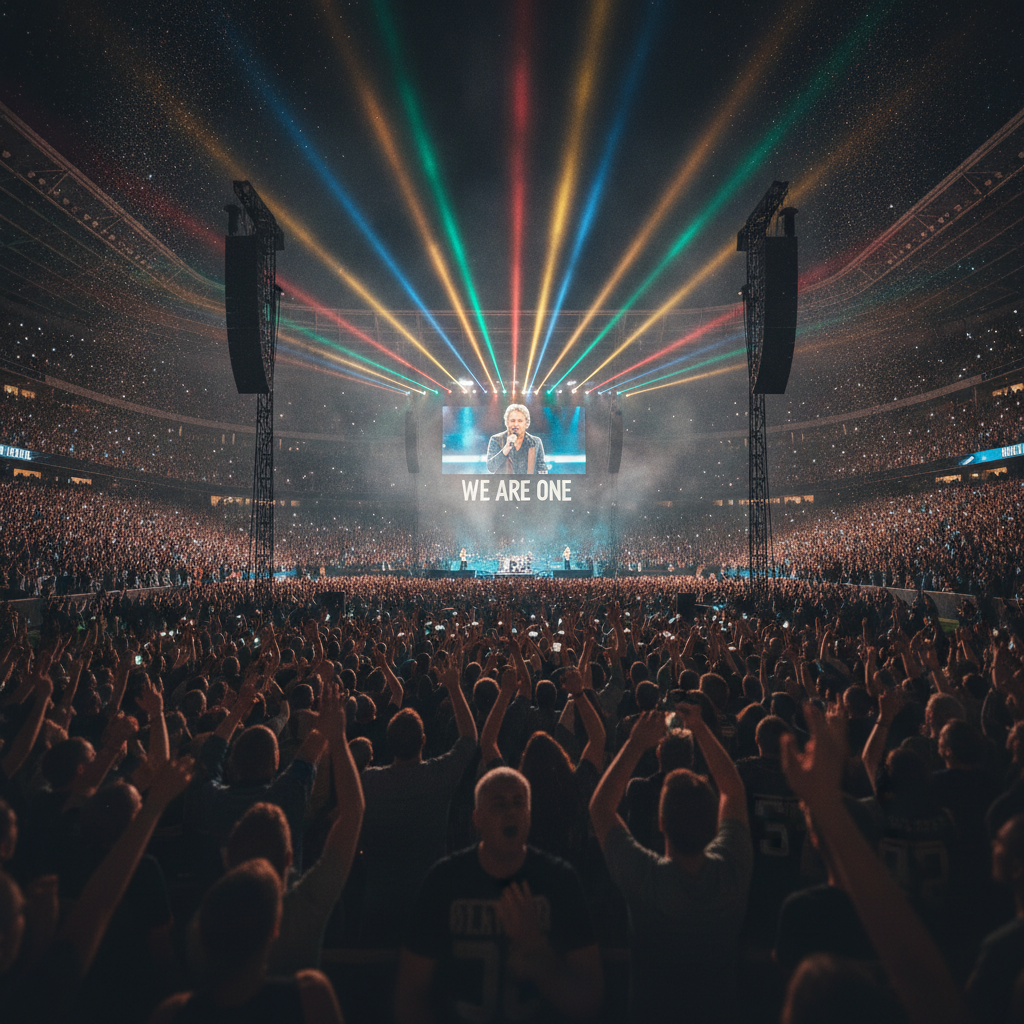
Football has produced some of the most recognizable music in popular culture — not through chart strategy, but through the raw power of collective voice. Stadium anthems are born on the terraces, not in recording studios.
Think about how a song like "You'll Never Walk Alone" — originally a 1945 Rodgers and Hammerstein show tune — became the defining hymn of Liverpool FC and, by extension, a symbol of football solidarity worldwide. The song wasn't written for football. Football claimed it. That process of cultural adoption is one of the sport's most distinctive traits.
Official tournament anthems follow a different path. FIFA and UEFA commission composers and artists to create music that frames major competitions as global events. These pieces blend orchestral scoring with contemporary production, designed to carry the emotional weight of a World Cup or European Championship. They become inseparable from the memories of those tournaments.
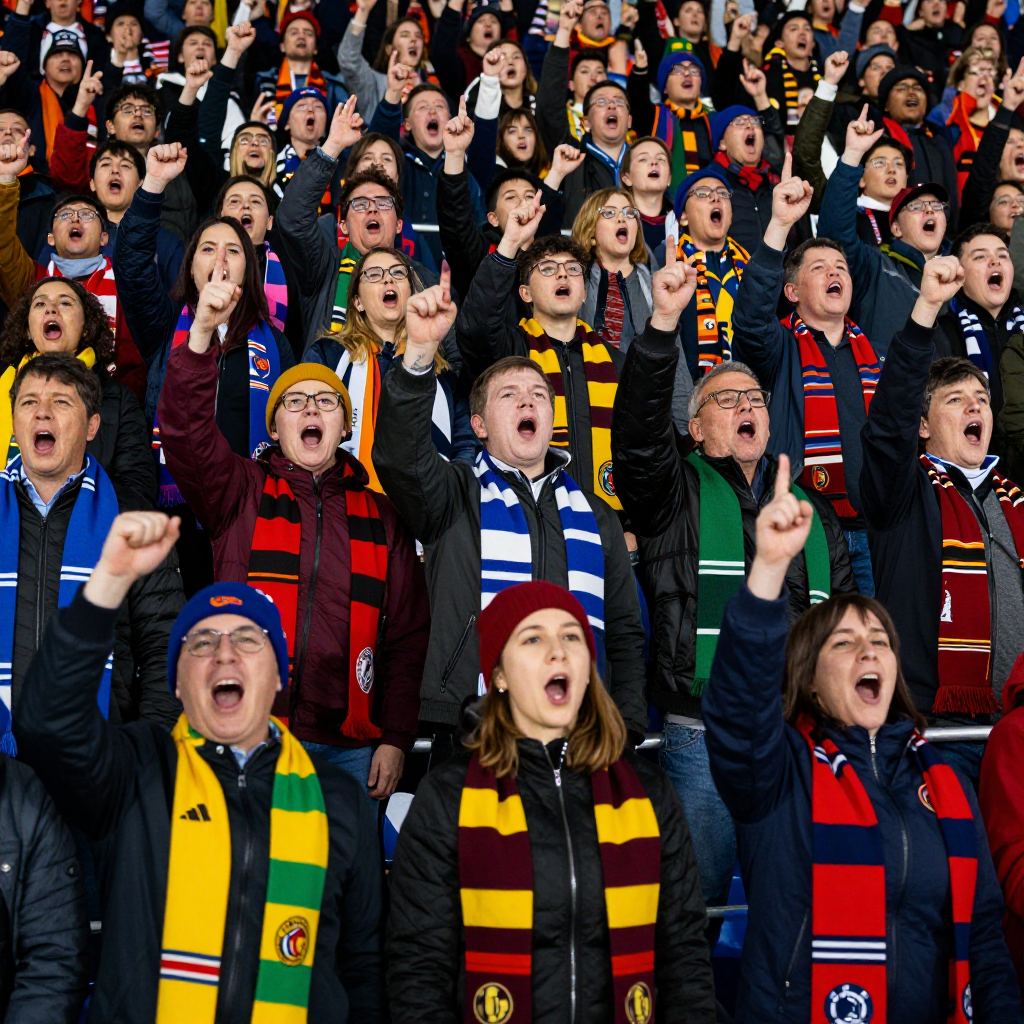
Fan chants occupy a separate but equally important space. Supporters adapt pop songs, folk melodies, and even advertising jingles into terrace anthems specific to their club. This grassroots musical creativity is a form of cultural storytelling — communities writing their own soundtrack in real time.
Hip-Hop, R&B, and Football's Influence on Modern Music
The connection between hip-hop and football has become one of the defining cultural crossovers of the past two decades. Both worlds share a common grammar: ambition, loyalty, local pride, and the hunger to rise.
Artists across the US, UK, France, and West Africa have woven football references into their music as markers of identity. For many rappers and R&B singers who grew up in cities where football was the dominant sport, name-dropping a club or a player carries the same cultural weight as referencing a neighborhood. It signals where you're from and what you believe in.
The player-artist crossover has accelerated this dynamic. Modern footballers aren't just athletes — they're cultural figures who move between sport and entertainment with ease. Some have released music. Others have built close relationships with artists, appearing in videos or collaborating on brand projects. This bidirectional flow has made football culture a genuine input into contemporary music, not just a backdrop.
The Premier League's global expansion has been particularly important here. As English football reached new audiences in the US, Asia, and Africa, it intersected with local music scenes in ways that created genuinely new cultural products. A Lagos-based Afrobeats artist referencing Arsenal isn't mimicking English culture — they're integrating football into their own.
From the Terraces to the Big Screen: Football in Cinema
Football works as a cinematic subject because it is structurally dramatic. Hollywood sports films built around football tap into universal themes — class mobility, identity, sacrifice, and community — that resonate far beyond the sport's existing fanbase.
The best football films aren't really about football. They use the sport as a lens. A story about a working-class kid trying to make it as a professional is actually a story about aspiration and belonging. A film about a struggling club fighting relegation is a story about community survival. The pitch is the stage; the real drama is human.
This approach explains why football films have found audiences in countries where the sport isn't dominant. The emotional architecture is universal even when the specific cultural context isn't. Directors understand that club identity — the colors, the history, the inherited loyalty — gives characters a ready-made emotional world that audiences can enter quickly.
European cinema has been particularly productive in this space, with films exploring football's relationship to immigration, national identity, and generational conflict. These aren't crowd-pleasing sports movies in the Hollywood mold — they're serious explorations of how football functions as a social institution. Both approaches validate the sport as serious narrative material.
The Rise of Football Documentaries as Mainstream Entertainment
Sports documentaries about football have crossed from niche interest into mainstream cultural consumption, attracting millions of viewers who would never watch a live match. The format has become one of the most effective tools for expanding the sport's global fanbase.
The shift happened when streaming platforms recognized that football carries extraordinary human drama that doesn't require prior knowledge of the sport to appreciate. Behind-the-scenes access to clubs, dressing rooms, and training grounds reveals the emotional stakes of professional football in ways that broadcast coverage can't capture. Viewers connect with players as people, not just performers.
This matters enormously for football's cultural reach. A documentary that follows a club through a season of crisis — financial trouble, managerial change, injury setbacks — functions as a workplace drama with a global setting. The football context gives it specificity; the human context gives it universality.
The format has also created new entry points for younger audiences and for women, who have historically been underserved by traditional football broadcasting. Documentary storytelling, with its emphasis on character and narrative arc, speaks to a broader audience than live match coverage. In this sense, cultural storytelling through documentary is actively reshaping who considers themselves a football fan.
How Football Clubs and Players Shape Celebrity Culture
Modern footballers occupy a unique position in global celebrity culture. They are simultaneously athletes, brand ambassadors, fashion icons, and cultural influencers — a combination that no previous generation of players had to manage, or could leverage so effectively.
The player celebrity crossover is now a structural feature of top-level football. Clubs actively cultivate relationships with musicians, filmmakers, and luxury brands because these partnerships extend their cultural footprint beyond the sport. A collaboration between a Premier League club and a major music artist reaches audiences that sports sponsorship alone cannot access.
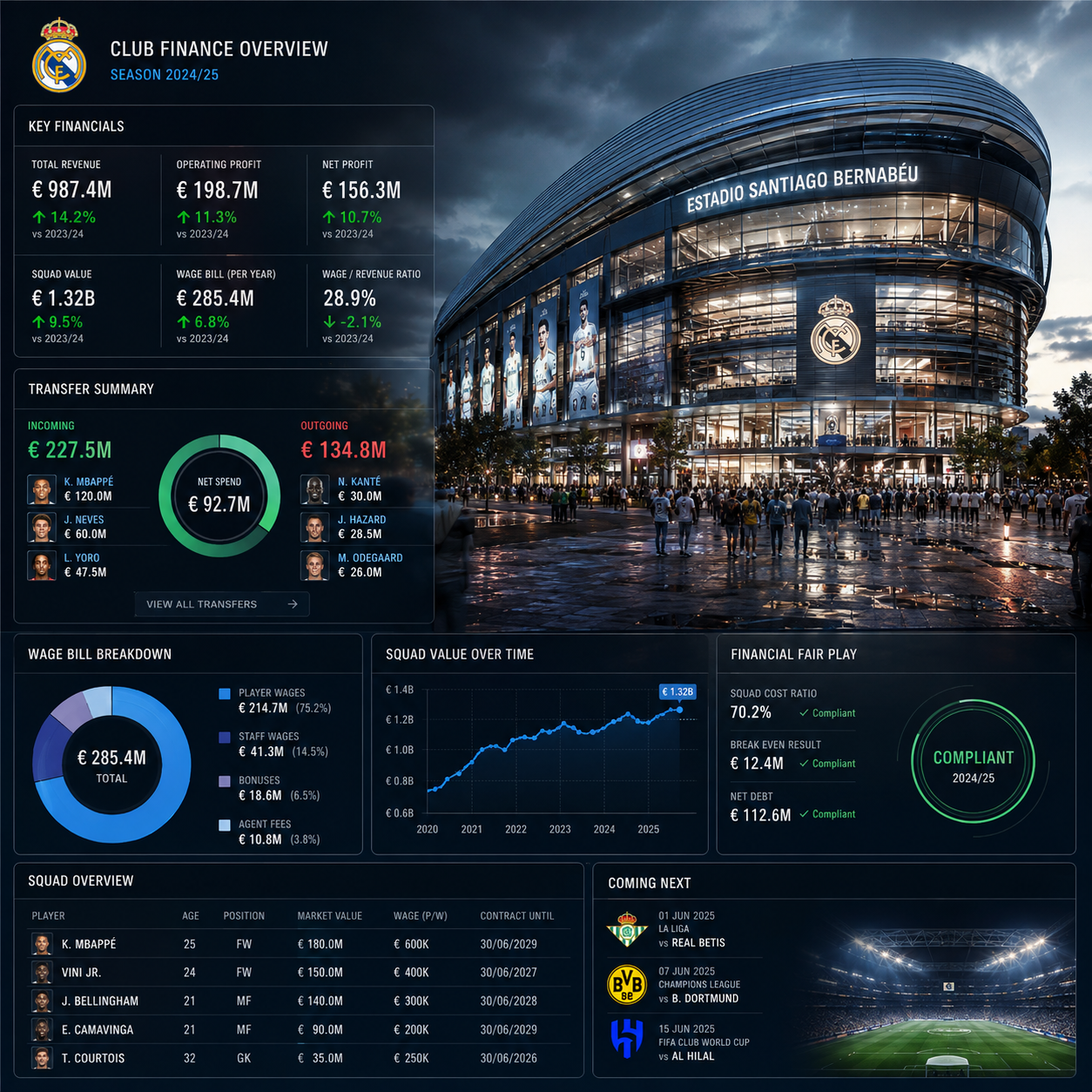
This has changed how club identity and branding works. The visual language of kits, crests, and stadium design now intersects with streetwear aesthetics, music video imagery, and fashion week. Clubs like Paris Saint-Germain, Manchester City, and Real Madrid don't just compete on the pitch — they compete for cultural relevance in spaces that have nothing to do with football results.
For players themselves, the stakes of celebrity management are high. Social media has made their personalities as visible as their performances. The ones who navigate this well — who build authentic cultural identities rather than manufactured ones — tend to generate the most durable commercial and cultural influence. The ones who don't can find their off-pitch profile working against them.
Why Football's Cultural Influence Continues to Grow
Football's cultural influence is expanding because the sport's core ingredients — emotion, identity, conflict, and community — are exactly what contemporary entertainment is built to amplify. Social media, streaming, and global connectivity haven't diluted football's cultural power; they've distributed it further and faster.
The sport's storytelling richness gives it an almost inexhaustible supply of raw material for music, film, and documentary. Every season produces new narratives: underdog triumphs, managerial collapses, generational talent emerging from unexpected places. These stories don't need embellishment. They just need the right format to reach the right audience.
What's genuinely new is the bidirectional nature of the relationship. Football no longer simply inspires culture — it actively collaborates with it. Clubs commission artists. Players co-produce music. Streaming platforms fund documentary series that function as extended brand campaigns for the sport itself. The boundaries between football and entertainment are dissolving, not because football is becoming less serious, but because entertainment has recognized the sport's emotional seriousness.
For anyone trying to understand why football commands the attention it does globally, the cultural dimension is not a footnote. It's part of the explanation. The sport earns its place in music, cinema, and celebrity culture because it genuinely deserves to be there — and because the stories it generates are, by any measure, worth telling.
Frequently Asked Questions
Which musicians have been most publicly associated with football culture?
Artists from hip-hop, grime, and Afrobeats have the strongest documented connections to football culture, often referencing specific clubs and players as part of their cultural identity. In the UK, grime artists from cities with strong football traditions have been particularly vocal. In France and West Africa, football references appear frequently in rap and urban music as markers of community belonging.
What makes football such a compelling subject for filmmakers?
Football offers filmmakers a ready-made dramatic structure: clear stakes, defined communities, and characters under extreme pressure. The sport's association with class, identity, and belonging gives stories immediate emotional resonance. Unlike many sports, football's global reach means a film set in one country can connect with audiences worldwide through shared cultural reference points.
How do football clubs use music and entertainment to engage fans?
Clubs use music partnerships, branded content, and entertainment collaborations to reach audiences beyond traditional matchday supporters. This includes commissioning artists for kit launches, partnering with streaming platforms for documentary content, and working with fashion and music brands on co-branded products. The goal is to make club identity feel relevant in cultural spaces where sport isn't the primary focus.
Has football's cultural influence grown with the rise of social media?
Significantly. Social media has allowed football culture to travel without geographic limits, enabling fan communities, player personalities, and club brands to build global audiences independent of broadcast rights. Viral moments from matches, training sessions, or player interactions now reach hundreds of millions of people, many of whom have no prior connection to the sport. This has accelerated football's integration into mainstream pop culture considerably.
Are there examples of football directly collaborating with the music industry?
Yes, at multiple levels. Major tournaments regularly commission artists to record official anthems. Individual clubs have partnered with labels and artists for kit launches and fan engagement campaigns. Some players have signed to music labels or co-produced tracks with established artists. These collaborations are increasingly strategic rather than incidental — both industries recognize the audience overlap and the commercial logic of working together.