Derby Days: The World's Most Intense Football Rivalries
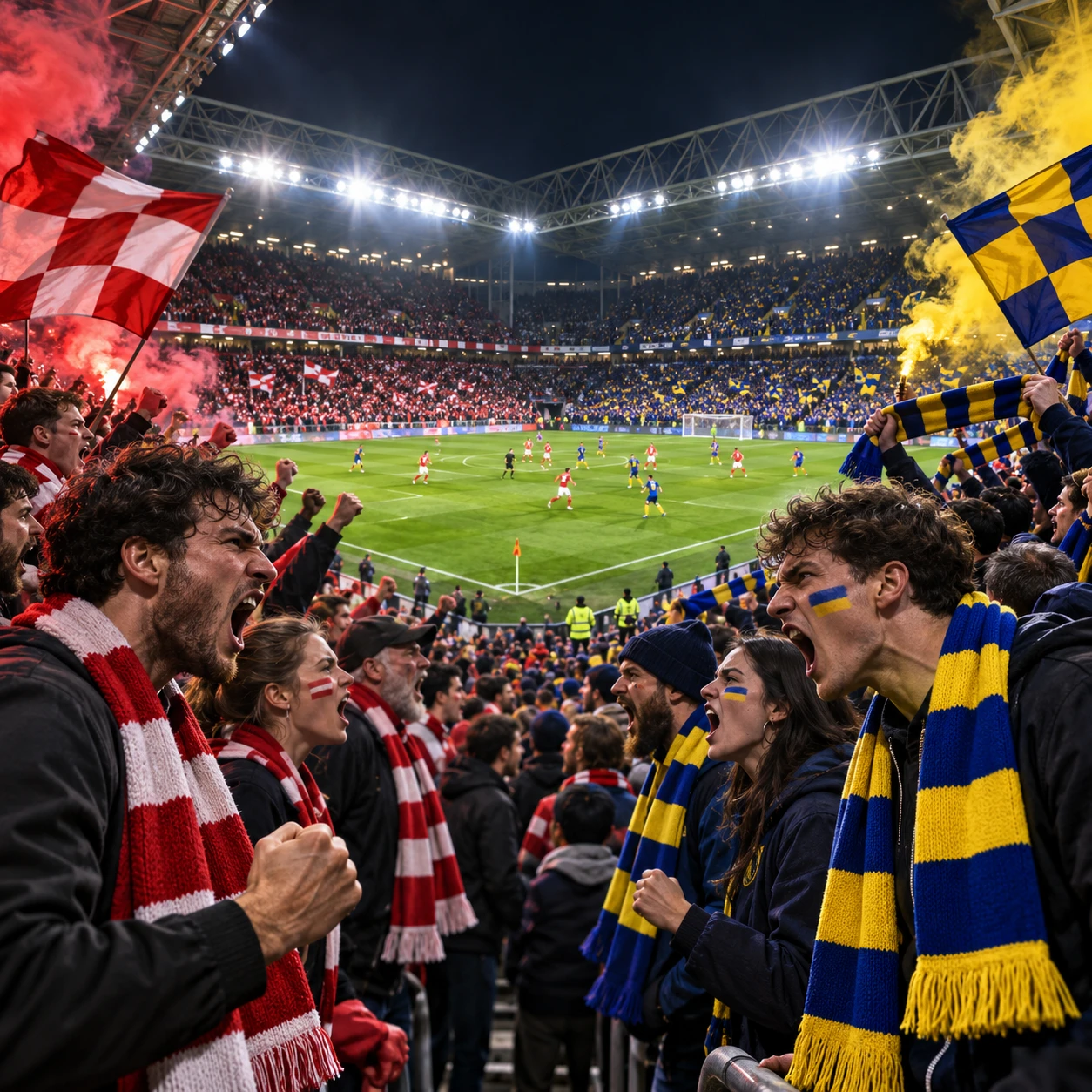
A derby can turn a routine league fixture into a date that shapes a club’s season and a city’s mood. From Glasgow and Buenos Aires to Milan and north London, football’s most intense rivalries blend geography, history, identity and the pressure of winning bragging rights.
There is no universally accepted measure of derby intensity. The rivalries below offer a broad view of what makes these matches matter, while recognizing that their edge shifts with form, competition and the people who follow them.
What Makes a Football Rivalry Intense?
A football rivalry becomes intense when sporting competition meets a strong local or cultural connection. Geography brings supporters into daily contact, history gives the fixture meaning, and the stakes of the match make every result feel consequential.
The word derby usually describes a match between nearby clubs, though some famous rivalries extend beyond a single city or region. El Clásico, for example, is a national sporting spectacle as well as a meeting between clubs based in different cities. A local derby can be fierce without being globally famous; worldwide attention alone does not explain how supporters experience it.
Four useful lenses help compare rivalries without pretending to produce a definitive ranking:
- Proximity: How closely do the clubs share a city, neighborhood or region?
- History and identity: What social, cultural or institutional meanings have built up around the fixture?
- Competitive stakes: Are titles, cup progress, European places or local bragging rights at stake?
- Matchday culture: How do chants, traditions, attendance and the atmosphere reflect the rivalry?
A head-to-head record adds helpful context, but it cannot measure everything. Results accumulate across changing squads, managers and competitions; a rivalry’s history matters, yet a season’s form may determine how much is at stake in the next meeting.
Old Firm: Glasgow’s Divided Football Identity
The Old Firm is the rivalry between Glasgow clubs Celtic and Rangers, and its significance reaches well beyond the contest for points. The clubs’ shared city, long history and distinct supporter traditions give the fixture an unusually powerful place in Scottish football.
Celtic was founded in the 19th century with links to Glasgow’s Irish Catholic community, while Rangers developed a different institutional and supporter identity. Over generations, religious, political and national associations became part of how many people understood the rivalry. Those connections are complex, vary among individuals and should not be used to reduce either club’s entire support to a single background.
On the pitch, the Old Firm has often carried major consequences for the Scottish league title and domestic cups. That competitive history sustains pressure even when one side enters a fixture in stronger form. A win can influence the table, the season’s narrative and the conversation across Glasgow.
For supporters, the occasion is built through familiar songs, colors and matchday rituals as well as the football itself. The atmosphere can be electric, but it also calls for care: the rivalry’s historical divisions make respectful discussion important. Its intensity is best understood through both sporting competition and the responsibilities that come with a charged local identity.
El Clásico: Real Madrid vs Barcelona
El Clásico is the high-profile rivalry between Real Madrid and Barcelona, fueled by sustained sporting competition and broader cultural associations. Their meetings attract global attention because two of football’s most prominent clubs regularly contend for major honors.
Real Madrid and Barcelona have faced one another across Spain’s league and cup competitions for generations. Their head-to-head record changes with every meeting, and comparisons depend on the competition and time period being counted. Rather than treating one all-time total as the whole story, it is more useful to specify the scope: league matches, domestic cups, European fixtures or all official meetings.
The clubs also carry different associations in Spanish public life. Barcelona is closely connected to Catalan identity, while Real Madrid has often been discussed in relation to the Spanish state and national institutions. These themes help explain the rivalry’s wider resonance, but neither club nor its supporters can be summarized by a political label.
El Clásico’s intensity also rises and falls with the sporting context. A title-deciding fixture, a cup knockout or a meeting between teams led by star players can sharpen the drama. When the clubs are less evenly matched, the historic rivalry remains, though the immediate stakes may feel different.
Superclásico: Boca Juniors vs River Plate
The Superclásico between Boca Juniors and River Plate is Buenos Aires’ defining club rivalry, shaped by the teams’ shared origins and fiercely expressive supporter cultures. Its local roots make the match personal for the city, while its prominence gives it a following far beyond Argentina.
Both clubs began in the La Boca area of Buenos Aires before River Plate moved to the city’s Núñez district. That geographic history helps explain the rivalry’s long-standing neighborhood dimension. Over time, differences in club image and fan identity became part of the story, though broad stereotypes about supporters rarely capture the reality of individual fans.
Matchday atmosphere is central to the Superclásico’s reputation. Supporters fill the stands with songs, flags and coordinated displays, creating a vivid backdrop to a game in which every challenge and goal can carry extra weight. The atmosphere is a product of organized fan culture and local devotion, not a reliable measure of what every match will be like.
Sporting stakes vary: a league meeting may influence a title race, while a knockout tie can make the consequences immediate. The fixture’s importance is clear even when the teams’ positions in the table differ. For a useful comparison, look at the occasion, competition and recent form alongside the rivalry’s enduring history.
Rivalries That Define English Football
English football features several major derbies, each with its own balance of local geography, history and competitive stakes. The Manchester, North London and Merseyside derbies show why a single ranking cannot capture every kind of rivalry.
Manchester derby: Manchester United vs Manchester City
The Manchester derby brings United and City together in a city transformed by the fortunes of both clubs. United’s long record of domestic success and City’s rise to sustained title contention have changed the fixture’s balance over time. Today, the derby can carry direct consequences for the Premier League title race, though its local meaning persists regardless of the table.
North London derby: Arsenal vs Tottenham Hotspur
Arsenal and Tottenham Hotspur meet in a rivalry rooted in north London geography and years of competition. Arsenal’s move to the area in the early 20th century helped intensify the local contest. League position, European qualification and cup progress can raise the stakes, but the derby matters to supporters even when neither team is chasing a trophy.
Merseyside derby: Liverpool vs Everton
The Merseyside derby is a meeting between Liverpool and Everton, two clubs with deep roots in the same city. Its close geography and shared local setting give it a distinctive character. The rivalry has included both tense contests and moments of notable civic connection, making it a more complicated story than simple hostility. Results still matter, but the local relationship has its own history beyond the scoreline.
These English fixtures illustrate three different pressures: shifting dominance in Manchester, neighborhood competition in north London and a shared-city history on Merseyside. Their intensity changes with the season, and recent results can reshape the conversation without erasing older traditions.
Milan Derby and Other Global Showdowns
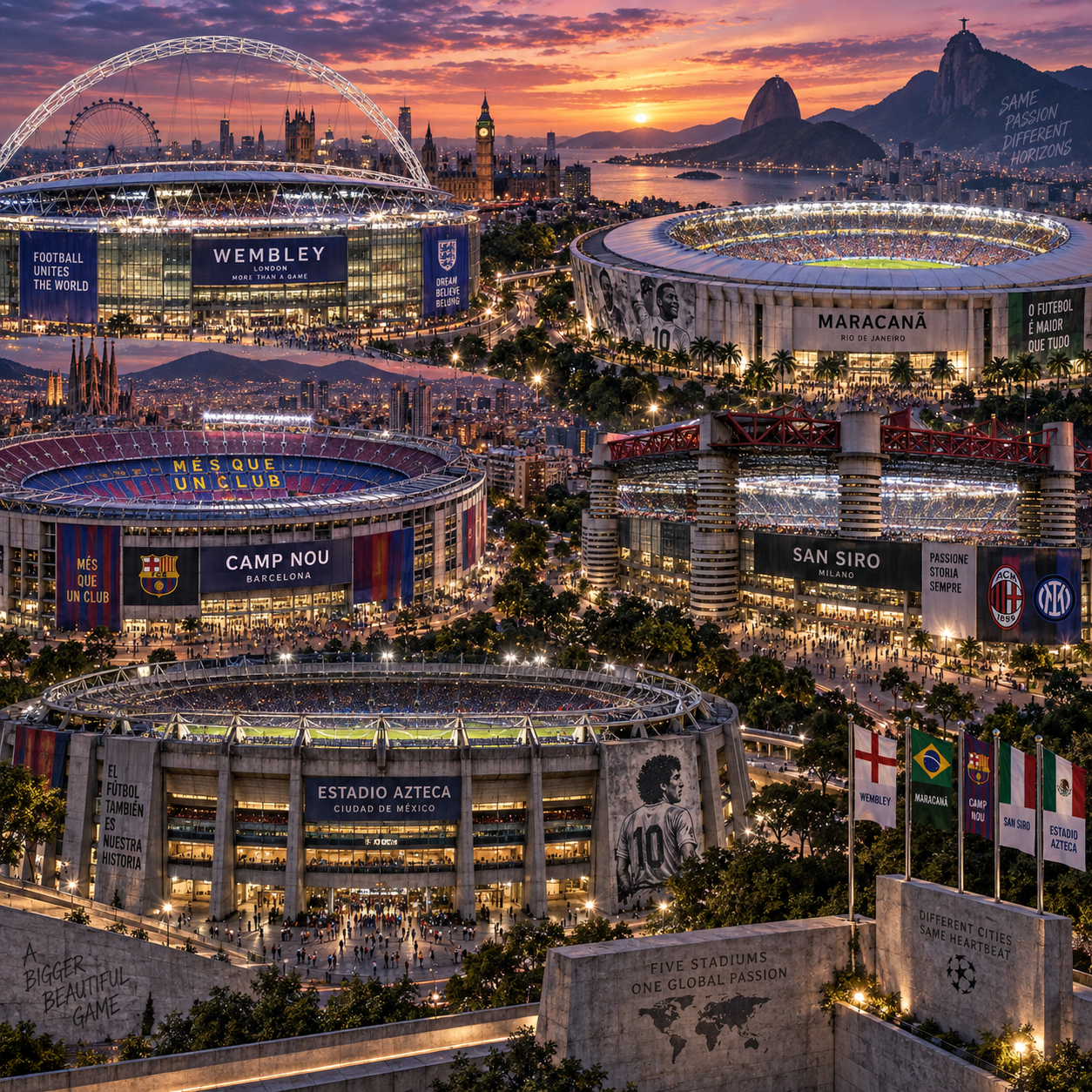
The Derby della Madonnina is the Milan derby between Inter Milan and AC Milan, a rivalry played out by two clubs that share the San Siro stadium. Its setting gives it a rare local closeness, while the clubs’ success in Italian and European football has helped make it one of the sport’s best-known fixtures.
Because Inter and AC Milan use the same ground, the stadium becomes home to different supporters on different matchdays. Their histories include title races and major European encounters, but the balance of power has changed across eras. A head-to-head record needs the same care as any other: name the competitions included and the dates covered before drawing conclusions.
Football’s rivalry map extends well beyond Europe. The Superclásico is one example of South America’s intense club culture; regional and national rivalries elsewhere can also carry deep local meaning. The most prominent fixtures differ in scale and history, so global fame should not be mistaken for a universal intensity score.
How to Compare Derby Intensity
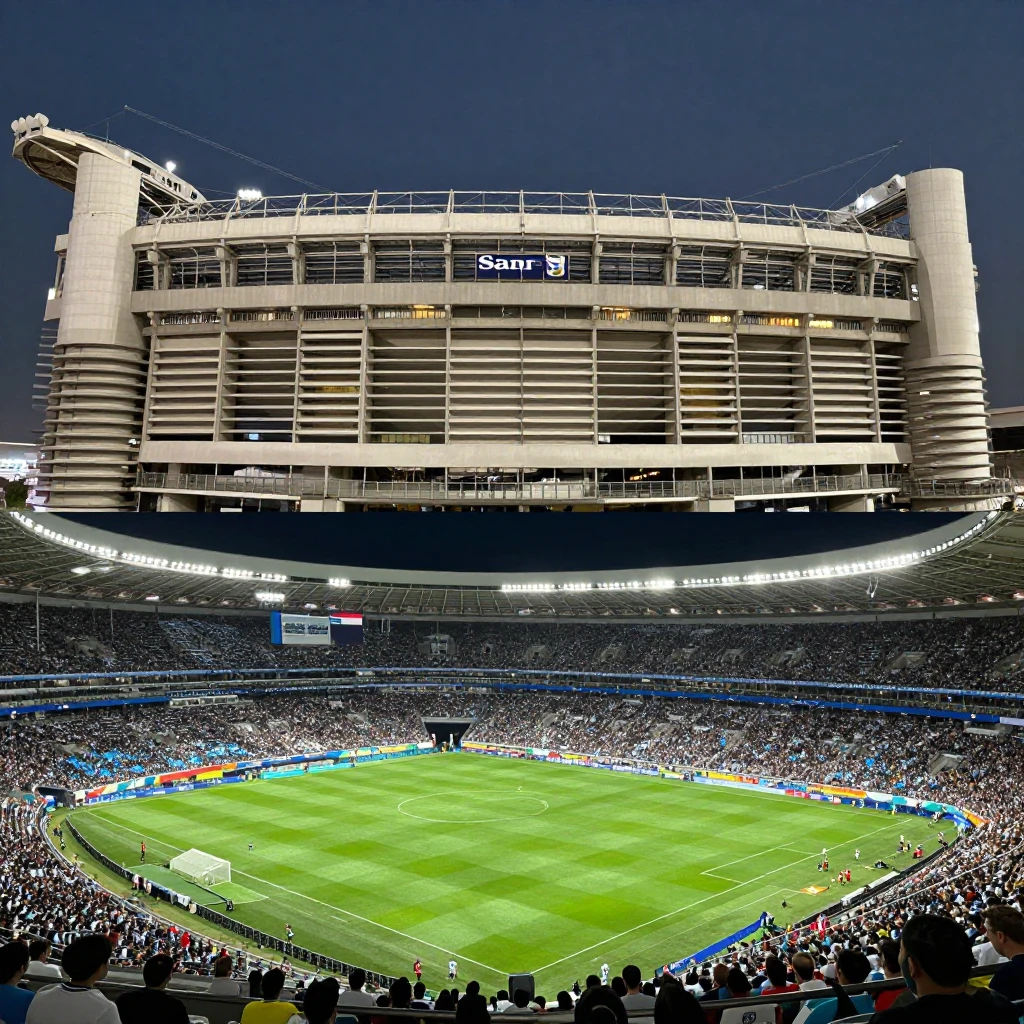
Compare derby intensity through context rather than a single all-time ranking. A balanced view combines head-to-head history, the stakes of the next match, supporter traditions and the clubs’ changing fortunes.
For a stats-informed read, start by defining what you are comparing. Count official competitive fixtures rather than mixing friendlies with league games, and separate competitions where possible. A league-only record answers a different question from an all-time head-to-head tally. Check the date range, too: figures that include a club’s early history may tell a different story from results over the past decade.
Then add the human context. Consider whether the match affects a title race or cup tie, how supporters mark the occasion, and what local history informs the rivalry. These details explain why two derbies with similar records can feel very different.
A simple comparison checklist keeps the analysis grounded:
- Record: Which team leads in the stated competition and date range?
- Moment: What could the result change this season?
- Place: How closely do the clubs share a city or region?
- Culture: Which traditions and identities shape the matchday experience?
There is no permanent answer to which derby is the most intense. The Old Firm’s historical and local weight, El Clásico’s sporting scale, the Superclásico’s atmosphere and the English and Milan rivalries all reveal different dimensions of the game. A careful comparison respects the numbers while leaving room for the people and places behind them.